
Mark Masonry
The United Grand Lodge of Mark Master Masons of Victoria
About Mark Masonry
What is Mark Masonry?
Within Pure and Ancient Masonry, as defined here in Victoria, the Mark degree is an expansion of the Second Degree and an augmentation of the Third. It is the fourth regular step in freemasonry – with the circumstances of the Mark Advancement ceremony alluded to within the first three paragraphs of the Master Masons or Third Degree Historical Lecture. Thus the Advancement ceremony can be seen as a bridge which starts as an extension of the Fellow Craft degree to transcending over the Master Masons degree and dealing with circumstances a little beyond that which occurred subsequent to this event. Just like the Craft degrees, its ritual takes inspiration from the traditional history surrounding the building of King Solomon’s Temple.
Some historical background: During the Middle Ages, operative stonemasons traversed across Britain and Europe to build grand cathedrals and castles. To maintain accountability, supervisors required these masons to inscribe a unique, personalised symbol on the stones they cut. These marks were carefully recorded in lodge registers, serving as a signature that guaranteed the craftsman’s work, skill and reputation. By the 17th century operative guilds began accepting non-operative (“speculative”) members who began adapting these trade practices into moral and initiatory ceremonies.
The Schaw Statutes of 1598–1599 in Scotland provide the earliest evidence of a recognized mark system within operative lodges where it became mandatory for Masons to record their distinct mark alongside their signature when attending a lodge meeting The earliest written record of a Mark ceremony taking place is from the Lodge of Edinburgh (Mary’s Chapel) in 1599, where the stonemason’s marks were officially recorded.
The earliest authenticated minuted record of a speculative Mark degree occurred on September 1, 1769, when Bro. Thomas Dunkerley conferred the Mark Mason and Mark Master degrees in Portsmouth England.
The officers of a Mark Master Masons lodge mirror those of a Craft lodge but with five additional officers; namely a Conductor, Registrar of Marks and most importantly a Master Overseer, a Senior Overseer and a Junior Overseer. These offices create an opportunity for theatrical flair when delivering the ritual: the candidate presents the stone he has cut in the quarries to the three Overseers on the building worksite, situated on the forecourt of King Solomon’s Temple, for inspection, attesting to its fitness and suitability for the building.
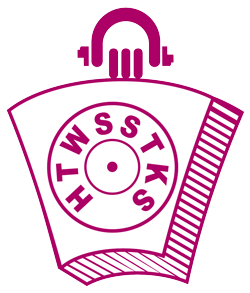
The Keystone: The keystone is rejected because the Overseers fail to realise its significance. The ceremony culminates in recognition of the keystone as an essential requirement for the completion of the sacred arch of King Solomon’s Temple. The keystone is, therefore, the emblem of the Order. Mark Masonry is held in great affection by members, and a well-performed ceremony is enthralling, entertaining and meaningful; and will answer some of the questions left unanswered at the end of the Third Degree.
The Mark Token: A Mark penny or token acts as a symbolic representation of the “wages” earned for a brother’s labour and serves as a means of identification within the fraternity.
The progressive offices in a Mark lodge are Inner Guard, Junior Deacon, Senior Deacon, Junior Overseer, Senior Overseer, Master Overseer, Junior Warden, Senior Warden and Worshipful Master.
The Mark Advancement ceremony is the culmination of the symbolical journey a brother began as an Entered apprentice Freemason as contained within Pure and Ancient Masonry here in Victoria.
The Grand Lodge of Mark Master Masons of Victoria is an independent Grand body, constituted in 1899. It controls the Mark Lodges within the State of Victoria and shares a Joint Secretariat with the Supreme Grand Chapter of Victoria.